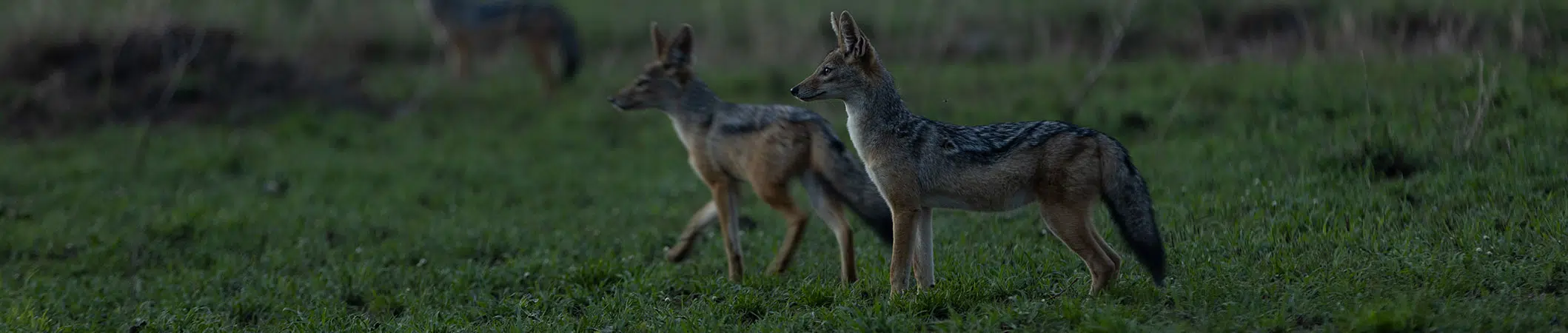
Uganda in 2026 is not just a destination—it’s a living, breathing story of nature, culture, and adventure. With tourism booming again and wildlife conservation driving growth, the country is entering a golden era of travel experiences. For travelers seeking authenticity, fewer crowds, and unforgettable encounters, Yala Safaris Uganda offers a gateway into one of Africa’s most diverse landscapes.
The Standard
Why Travel to Uganda in 2026?
Uganda famously called the Pearl of Africa is rising as a top safari destination in 2026. The country welcomed over 1.4 million visitors recently, with tourism contributing significantly to the economy. But beyond numbers, Uganda offers something rare: raw, untouched beauty.
Watchdog Uganda
What makes Uganda special?
10 National Parks packed with biodiversity
Home to half of the world’s mountain gorillas
The hint points to
Bwindi Impenetrable National Park (BINP)
. As of 2026, this ancient rainforest in southwestern Uganda is home to approximately 459 to 600 mountain gorillas, representing roughly half of the world’s remaining population.
Why Bwindi is Unique
- Ancient Canopy: The forest is over 25,000 years old, surviving the last Ice Age as a biological refuge.
- The “Impenetrable” Name: Its name comes from the Rukiga word Mubwindi, meaning a “dark, impenetrable place,” due to the dense growth of bamboo and thick ground cover.
- Biodiversity: Beyond gorillas, it shelters 120 mammal species (including chimpanzees and forest elephants) and 350+ bird species.
Gorilla Trekking Sectors
Bwindi is divided into four main trailheads, each offering a different experience:
- Buhoma
(North): The most established sector with easier terrain and classic lodge infrastructure.
- Rushaga
(South): Offers the highest number of habituated families and is the only place for the Gorilla Habituation Experience, where you spend 4 hours with a group.
Ruhiza
(East): The highest and coldest sector, favored by birdwatchers for its unique high-altitude species.
- Nkuringo
(Southwest): Known for the most challenging hikes but rewards visitors with spectacular views over the Virunga Volcanoes and the DRC.
Practical Tips for 2026
- Permit Costs: A standard trekking permit costs US$800 for foreign non-residents.
- Daily Limits: Only 8 people are allowed to visit a single gorilla family for exactly one hour per day to minimize stress and disease transmission.
- What to Pack: You’ll need waterproof hiking boots, gardening gloves (for gripping thorny vines), and long-sleeved clothing to protect against fire ants and nettles.
- Wild animals including the Big Five
- Landscapes ranging from savannah to snow-capped mountains
- Strong focus on sustainable tourism and conservation
Nilepost News
With improved infrastructure, eco-lodges, and conservation success stories, 2026 is the perfect time to explore Uganda.
1. Gorilla Trekking in Bwindi a Life-Changing Encounter
Deep in Bwindi Impenetrable National Park, a UNESCO World Heritage Site, lies one of the most profound wildlife experiences on Earth gorilla trekking.
You hike through dense rainforest, guided by expert trackers, until suddenly… you’re face-to-face with a gorilla family. Watching a silverback, mothers, and playful juveniles interact is deeply emotional.
Why it’s unforgettable:
- Intimate wildlife experience unlike traditional safaris
- Supports conservation and local communities
- A once-in-a-lifetime story to tell
- This is often the highlight of any Uganda safari.
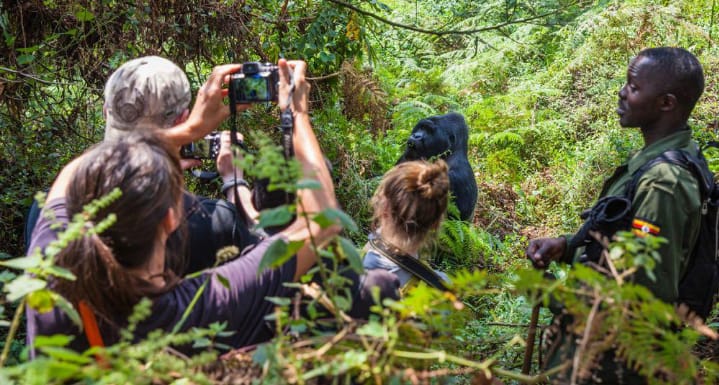
Gorilla Trekking in Bwindi Impenetrable National Park
2. Classic African Safari in Queen Elizabeth National Park
In Queen Elizabeth National Park, the safari dream comes alive.
Experiences include:
- Game drives: lions, elephants, buffalo, leopards
- Kazinga Channel boat cruise: dense wildlife along the water
- Tree-climbing lions in Ishasha sector
This park blends savannah, wetlands, and crater lakes—making it one of the most diverse ecosystems in Africa.
Queen Elizabeth National Park (QENP)
Is Uganda’s most popular and bio diverse safari destination, famously known as the “Medley of Wonders”. Spanning approximately 1,978 square kilometers in Western Uganda, it sits on the floor of the Albertine Rift Valley and straddles the equator. The park is celebrated for its stunning volcanic landscapes, including deep explosion craters, and its backdrop of the snow-capped Rwenzori Mountains.
Key Attractions and Wildlife
The park’s diverse ecosystems—ranging from sprawling savannas and humid forests to fertile wetlands and sparkling lakes—support a vast array of species:
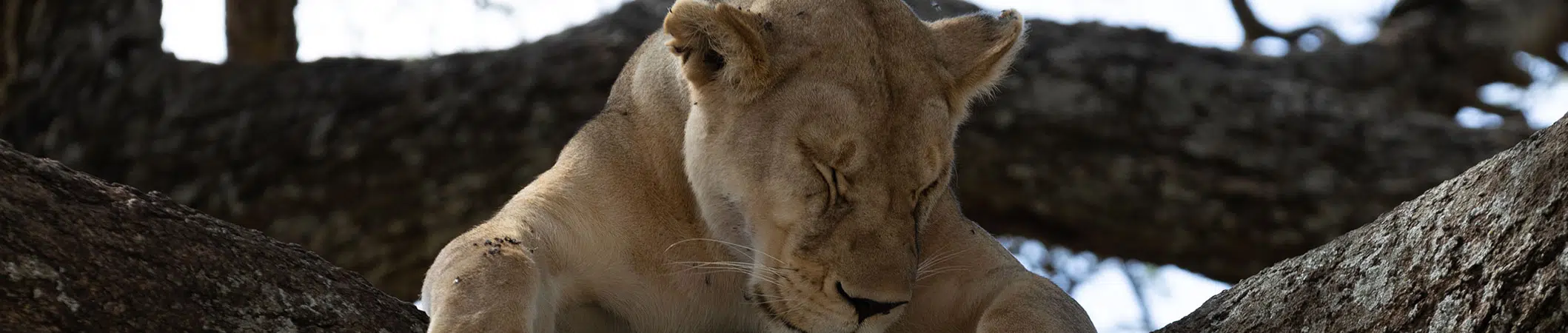
- Tree-Climbing Lions: Found in the remote Ishasha Sector in the south, these unique lions are known for lounging in ancient fig trees.
- Kazinga Channel: A 32km-long waterway connecting Lake Edward and Lake George. It hosts one of the world’s highest concentrations of hippos and is a prime spot for viewing elephants, buffaloes, and Nile crocodiles via boat safaris.
- Kyambura Gorge: Often called the “Valley of Apes,” this 100-meter deep forested gorge is home to habituated chimpanzees and other primates.
- Vast Biodiversity: QENP is home to 95 mammal species, including four of the “Big Five” (lions, leopards, elephants, and buffaloes), and over 600 bird species, making it a world-class birding destination.
Popular Activities
Visitors typically explore the park through various guided experiences:
- Game Drives: Most common in the Kasenyi Plains, where large herds of Uganda kob attract predators like lions and leopards.
- Launch Cruises: Boat trips on the Kazinga Channel offer a “screen-glanceable” view of aquatic wildlife and birds.
- Chimpanzee Tracking: Conducted within the lush underground forest of Kyambura Gorge.
- Volcanic Crater Drives: Scenic tours through the Katwe Explosion Craters provide panoramic views and insight into traditional salt mining at Lake Katwe.
Visitor Information
- Best Time to Visit: The dry seasons from June to September and December to January are ideal for wildlife viewing, as animals gather around water sources.
- Location & Access: It is roughly a 7-8 hour drive (400km) from Kampala. Alternatively, domestic flights land at Mweya or Kasese airstrips.
- Entry Fees: As of recent records, foreign non-residents pay approximately US$40 for park entrance.
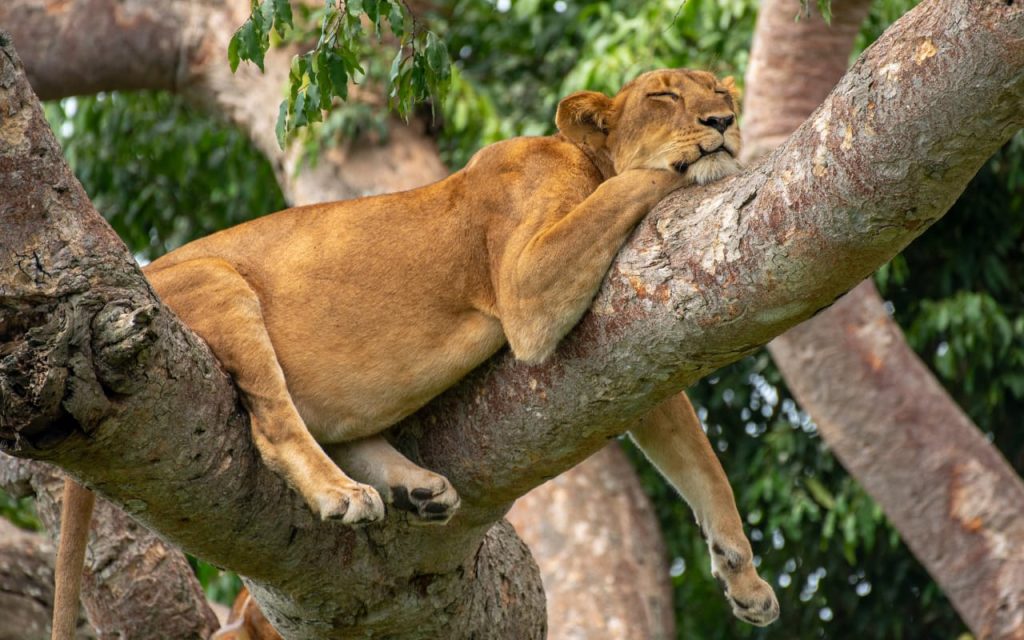
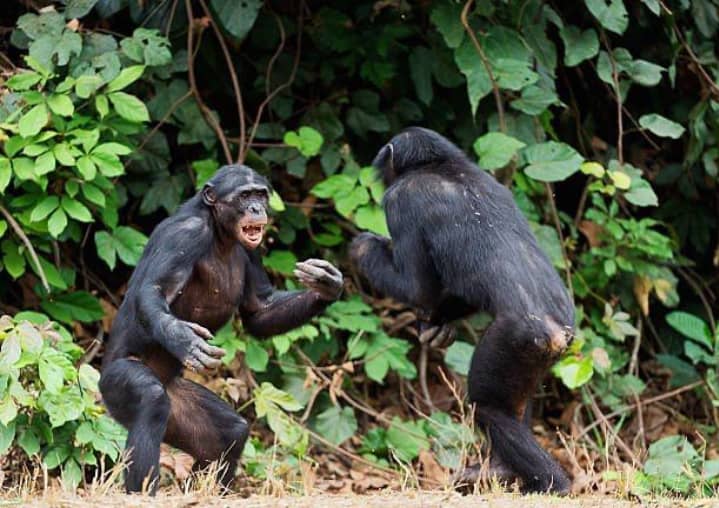
Tree Climbing Lions and Chimpanzee Trekking in Queen Elizabeth National Park (Ishasha Sector and the Kyambura Gorge)
3. The Power of Nature – Murchison Falls National Park
Welcome to Murchison Falls National Park, Uganda’s largest park.
Here, the Nile River explodes through a narrow gorge, creating one of the most powerful waterfalls in the world.
Top activities:
Boat cruise to the base of the falls
Game drives with giraffes, lions, elephants
Murchison Falls National Park (MFNP)
is Uganda’s largest and oldest conservation area, covering approximately 3,893 square kilometers in northwestern Uganda. It is the centerpiece of the Murchison Falls Conservation Area and is famous for hosting the world’s most powerful waterfall, where the entire volume of the Victoria Nile is forced through a narrow 7-meter gorge before plunging 43 meters into the “Devil’s Cauldron”.
Key Attractions and Wildlife
The park is bisected by the Nile River, creating distinct habitats of savanna, woodland, and tropical forest:
- The Big Four: The park is home to elephants, lions, leopards, and buffaloes. While rhinos are currently absent from the park itself, they can be seen at the nearby Ziwa Rhino Sanctuary en route from Kampala.
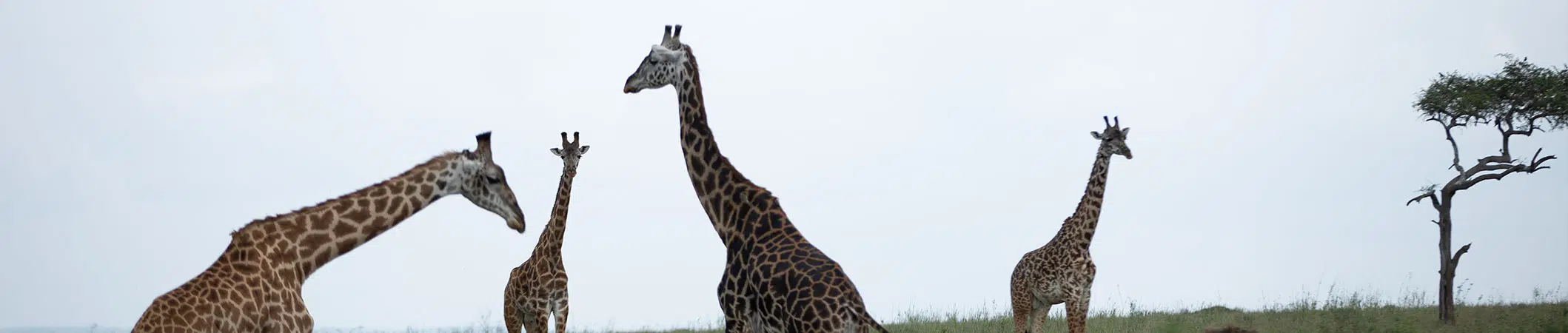
- Rothschild’s Giraffes: MFNP holds about 75% of the world’s population of these endangered giraffes.
- The Nile River: The stretch between Paraa and the falls is packed with one of the world’s highest concentrations of hippos and Nile crocodiles, along with various water birds.
- Budongo Forest: Located in the southern sector, this forest is famous for chimpanzee tracking and is home to over 600 chimpanzees.
Popular Activities
- Boat Cruises: The most popular activity is the three-hour launch trip to the bottom of the falls, offering close-up views of wildlife and the thundering water.
- Game Drives: Typically conducted in the Buligi Game Tracks on the northern bank, where open savannas make it easy to spot lions, giraffes, and various antelopes like the Uganda kob.
- Hike to the Top of the Falls: A 45-minute climb from the boat landing point provides a sensory experience of the power and roar of the water at the narrow gorge.
- Nile Delta Cruise: A specialized boat trip downstream toward Lake Albert, highly recommended for birdwatchers seeking the rare Shoebill stork.
Visitor Essentials
- Best Time to Visit: The dry seasons from December to February and June to September offer the best wildlife viewing as animals gather at the river.
- Entrance Fees: As of 2024/2026, foreign non-residents pay US$45 per 24 hours, while East African citizens pay UGX 25,000.
- Access: The park is about a 5-6 hour drive (approx. 305km) from Kampala. Scheduled flights are available to Pakuba or Chobe airstrips.
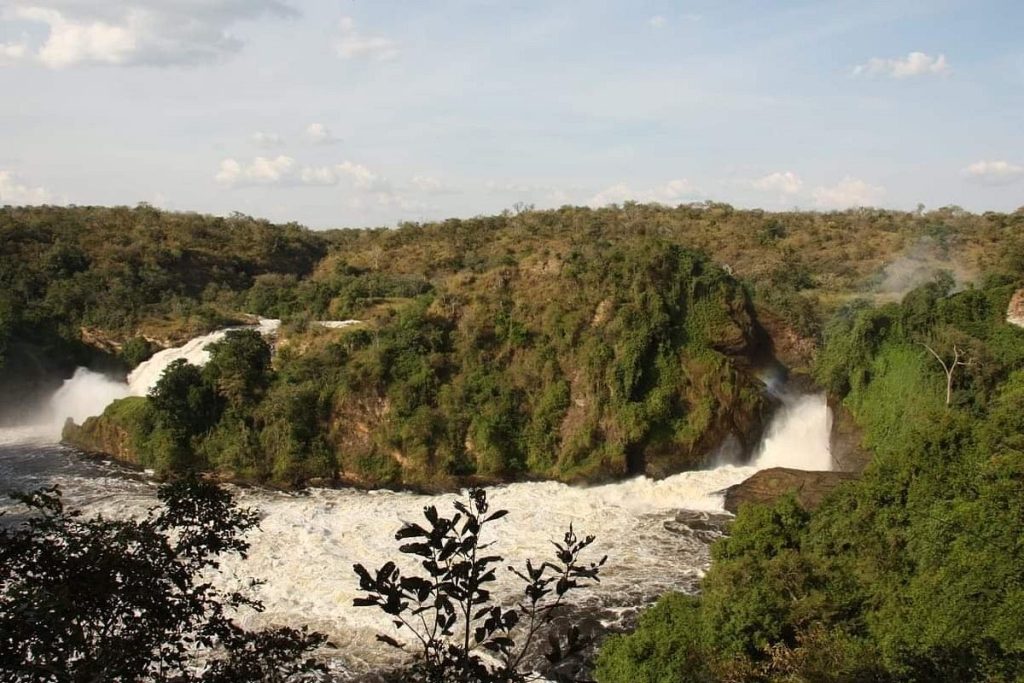
Murchison Falls Uganda, the world’s most powerful falls
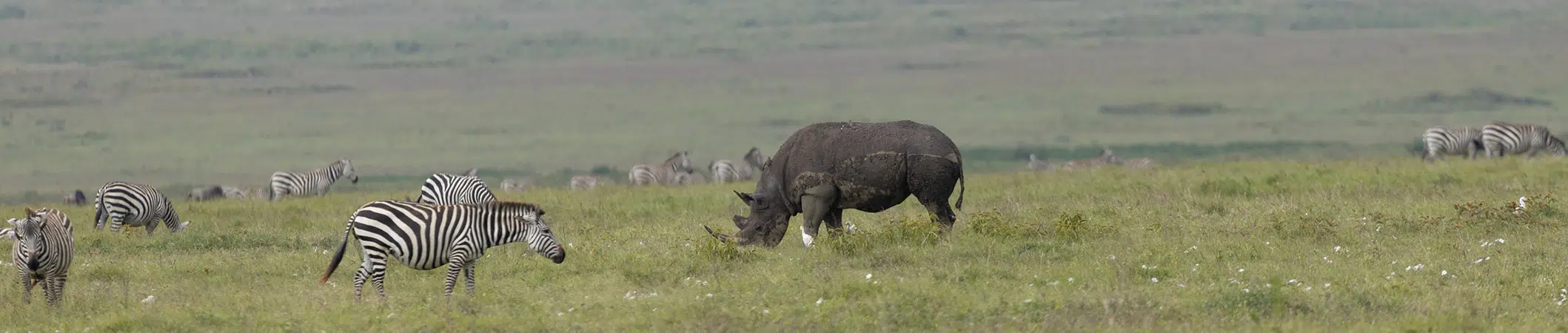
Ziwa Rhino Sanctuary
is a private, non-profit animal sanctuary and the only place in Uganda where you can see southern white rhinos in the wild. Located in the Nakasongola district, it serves as a secure breeding ground to eventually reintroduce rhinos into Uganda’s national parks, where they were declared extinct by 1983 due to poaching and conflict.
Key Wildlife and Attractions
- Southern White Rhinos: The sanctuary’s main attraction is its growing population, which has increased from six original individuals to 48 as of July 2025.
- Diverse Fauna: The 70-square-kilometer ranch is also home to over 40 mammal and reptilian species, including hippos, crocodiles, leopards, and various antelopes like the Uganda kob and bushbuck.
- Birdwatcher’s Paradise: With over 300 bird species, it is a premier destination for spotting the rare and prehistoric-looking Shoebill stork in the Lugogo Swamp.
Popular Activities
- On-Foot Rhino Trekking: A unique experience where expert rangers lead you on a guided walk to within 6–7 meters of the rhinos.
- Shoebill Trek & Canoe Ride: An early morning boat trip to find the endangered Shoebill stork.
- Nighttime Nature Walks: Guided tours between 8:00 PM and 11:00 PM to encounter nocturnal animals like porcupines and aardvarks.
- Birding Tours: Specialized trails through savanna, woodlands, and swamps.
Visitor Essentials (2026)
- Location: Conveniently situated 176km north of Kampala on the Gulu Highway, making it a perfect halfway stop for travelers heading to Murchison Falls National Park.
- Entrance & Activity Fees: Effective July 1, 2025, adult park entry for foreign non-residents is US$60, which typically covers basic tracking.
- Best Time to Visit: The dry seasons from December to February and June to August are ideal as animals gather at water sources. The best hours for tracking are 8:00 AM – 10:00 AM or 4:00 PM – 6:00 PM.
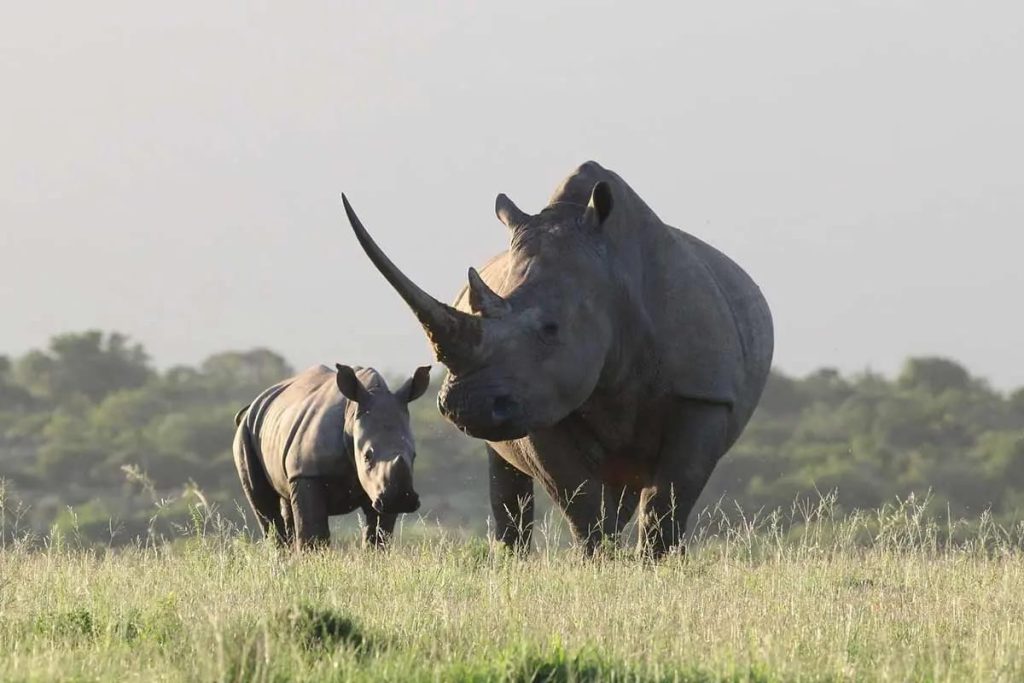
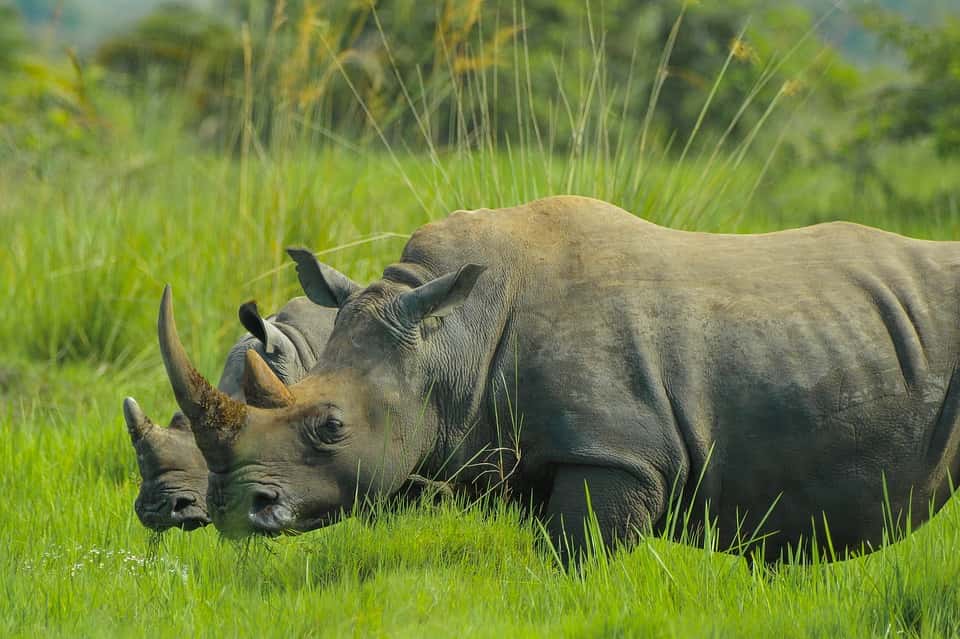
Rhinos in Ziwa Sanctuary
4. Hidden Gems – Kidepo & Rwenzori
For travelers seeking exclusivity, Yala Safaris takes you off the beaten path:
Kidepo Valley National Park
Remote, untouched wilderness
Recently saw rhino reintroduction in 2026—a major conservation milestone
Fewer tourists, more authentic safari
Kidepo Valley National Park (KVNP)
is Uganda’s most remote and “wild” frontier, frequently ranked among the most spectacular wilderness areas in Africa. Spanning 1,442 square kilometers in the Karamoja region of northeastern Uganda, it borders South Sudan and Kenya. Known for its stunning, semi-arid savanna landscapes and rugged mountain backdrops, it offers an “Africa without the crowds” experience due to its isolated location.
Key Attractions and Wildlife
The park is divided into two major valleys: the Narus Valley (south) and the Kidepo Valley (north).
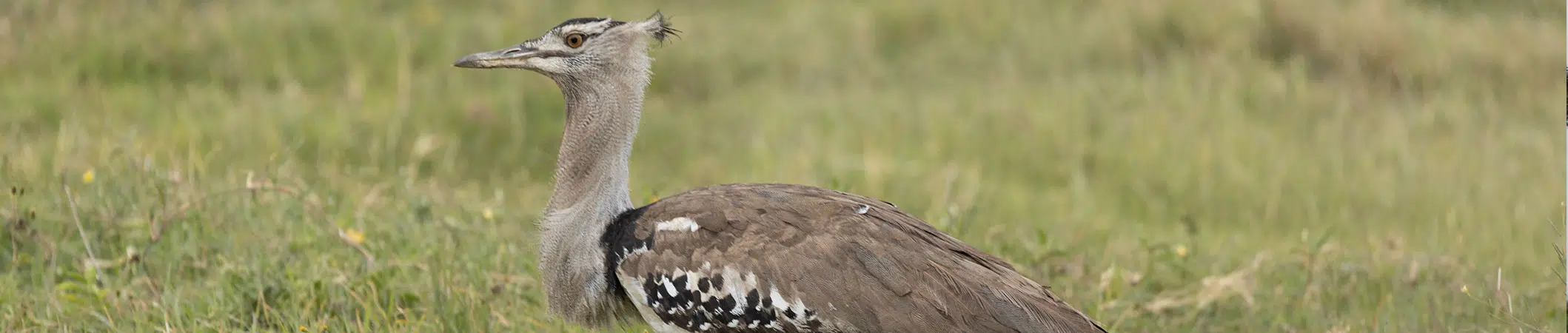
- Endemic Species: It is the only place in Uganda where you can find cheetahs, ostriches, caracals, and bat-eared foxes.
- Massive Buffalo Herds: Home to the largest population of African Cape Buffalo in Uganda, with herds sometimes numbering in the thousands.
- Big Game & Predators: Thriving populations of lions (often seen on rock kopjes), leopards, elephants, Rothschild’s giraffes, and Burchell’s zebras.
- Birding: A world-class birding destination with over 475 species, including the Karamoja apalis and numerous raptors.
- Cultural Encounters: Unique opportunities to visit the Karamojong pastoralists and the Ik people, a mountain tribe living on the slopes of Mount Morungole.
Popular Activities
- Game Drives: Best conducted in the Narus Valley, where permanent water sources attract high wildlife concentrations.
- Nature Walks & Hiking: Guided treks to the Kanangorok Hot Springs or hikes up the Morungole Mountains.
- Night Game Drives: Offered to see nocturnal species like hyenas and caracals.
- Cultural Tours: Interactive visits to traditional Karamojong manyattas (villages).
Visitor Information
- Best Time to Visit: The dry season (December to March and June to September) is ideal for wildlife as animals congregate at the Narus River.
- Entry Fees (2026): For a 24-hour period, fees are approximately US$40 for foreign non-residents, US$30 for foreign residents, and UGX 25,000 for East African citizens.
- Access: It is roughly a 10–12 hour drive from Kampala (approx. 570km). Alternative from Entebbe take about 2 hours.
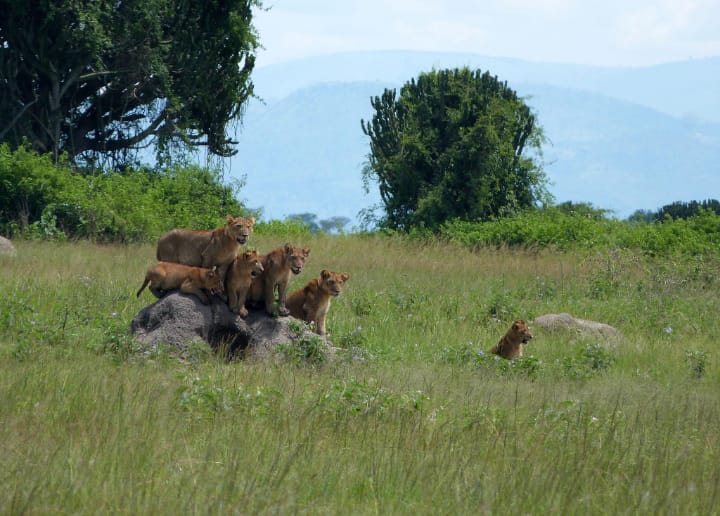
Wildlife in Kidepo Valley National Park
Rwenzori Mountains National Park
Known as the “Mountains of the Moon”
Snow-capped peaks near the equator
Ideal for hiking and adventure lovers
Rwenzori Mountains National Park
, famously known as the “Mountains of the Moon,” is a UNESCO World Heritage Site in western Uganda. Spanning nearly 1,000 square kilometers along the border with the Democratic Republic of the Congo, it protects the highest mountain range in Africa. Unlike the volcanic giants of East Africa, the Rwenzoris are a non-volcanic block of rock thrust up by tectonic activity.
Key Attractions and Wildlife
The park is world-renowned for its surreal, high-altitude landscapes and diverse biological zones:
- Snow-Capped Peaks: It features permanent glaciers and Africa’s third-highest point, Margherita Peak (5,109m) on Mount Stanley.
- Unique Flora: Known for “Africa’s botanical big game,” including giant lobelias, groundsels, and tree heathers that grow in misty, moss-draped valleys.
- Rich Biodiversity: The Park hosts 70 mammal species (including the Rwenzori otter and forest elephant) and 217 bird species, 19 of which are endemic to the Albertine Rift.
- The Three-Horned Chameleon: A rare reptile often spotted by hikers on the lower slopes.
Mountaineering and Trekking
The park is primarily a destination for serious trekkers and climbers:
- Summit Expeditions: Reaching Margherita Peak typically takes 7 to 9 days. While challenging, it is one of the few places on the equator where you must navigate technical ice walls and glaciers.
- Popular Routes:
- The Central Circuit: The classic route starting from Nyakalengija, pioneered in 1906.
- The Kilembe Trail (Southern Circuit): Known for its dramatic views and “valley of nine lakes”.
- Low-Altitude Hikes: For a less strenuous experience, shorter nature walks like the Mahoma Trail (2–3 days) visit mountain lakes and forests without the high-altitude technicalities.
Visitor Essentials (2026)
- Best Time to Visit: The driest months are June to August and December to February.
- Daily Entrance Fees: Foreign non-residents pay US$35 per day; foreign residents pay US$25; and East African citizens pay UGX 15,000. These fees are separate from your chosen tour operator’s package costs.
- Location: Kasese is the gateway city, roughly a 7-hour drive from Kampala.
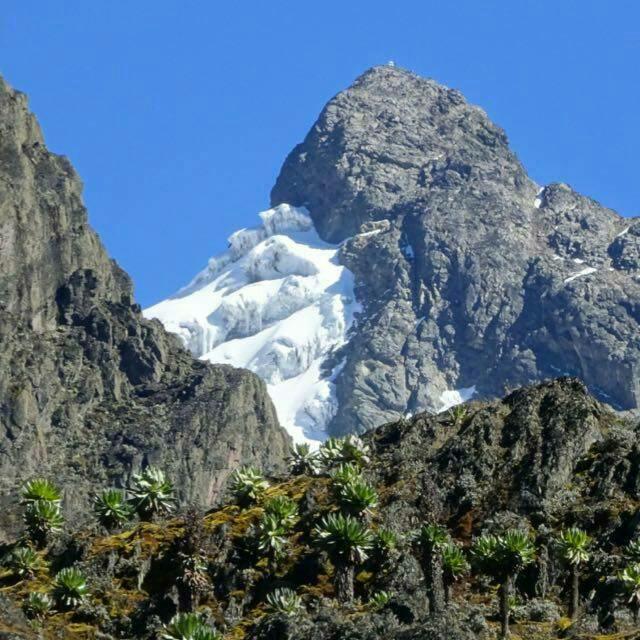
Mount Rwenzori National Park
5. Lakes, Culture & Relaxation
Uganda is not just wildlife it’s culture and serenity.
Must-experience:
- Canoeing on Lake Bunyonyi
- Cultural encounters with local communities
- Traditional Ugandan cuisine
- Community tourism experiences
- Tourism here supports livelihoods and preserves traditions.
- Sustainable Tourism – Travel That Matters
Lake Bunyonyi
, often hailed as the “Switzerland of Africa,” is a breathtaking freshwater lake nestled in the Kigezi Highlands of southwestern Uganda. Meaning “place of many little birds,” it is famously depicted on the Uganda 5,000 shilling note and is celebrated for its lush, green-terraced hills and serene atmosphere.
Key Facts and Geography
- Depth and Formation: Formed about 10,000–18,000 years ago by a volcanic eruption that dammed a valley, it is the deepest lake in Uganda. While scientific estimates place its maximum depth around 40–44 meters, local lore often claims it reaches up to 900 meters, which would make it Africa’s second deepest.
- The 29 Islands: The lake is dotted with 29 islands, each with its own history. Notable ones include:
- Akampene (Punishment Island): Historically used by the Bakiga people to abandon unmarried pregnant girls as a deterrent.
- Bwama Island: Formerly a leprosy colony established by Dr. Leonard Sharp, now home to a secondary school.
- Njuyeera (Sharp’s Island): The former home of the Sharp family, once known for its beautiful gardens.
- Safe Waters: Uniquely for the region, Lake Bunyonyi is free of hippos, crocodiles, and bilharzia, making it one of the few places in East Africa where it is generally considered safe to swim.
Popular Activities
- Canoeing & Island Hopping: Exploring the islands via a traditional dugout canoe is the most iconic way to experience the lake.
- Birdwatching: True to its name, it is a paradise for birders, with over 200 species recorded, including the grey-crowned crane.
- Adventure: Activities like zip-lining across the water and mountain biking through the terraced hills are popular with thrill-seekers.
- Cultural Tours: Visits to the Batwa Pygmy community and the local Bakiga villages offer deep cultural insights.
Visitor Information
- Best Time to Visit: The dry seasons (June–August and December–February) are ideal for outdoor activities, though the lush landscape remains photogenic year-round.
- Access: It is located about 7–9 km from Kabale Town, which is approximately an 8-hour drive from Kampala. It is also a popular relaxation spot for travelers coming from gorilla trekking in Bwindi Impenetrable National Park.
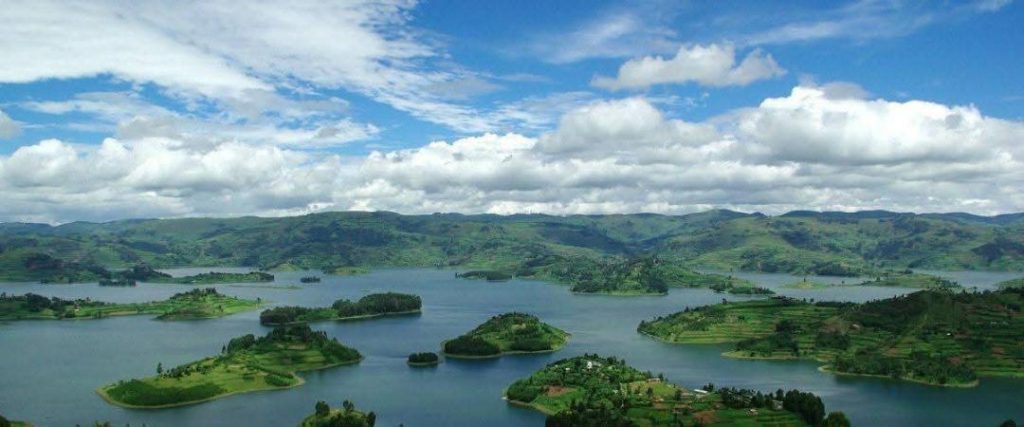
Lake Bunyonyi view
In 2026, Uganda is leading in eco-tourism and conservation-driven travel. Tourism revenue helps:
Protect endangered species
Support local communities
Create jobs (over 800,000 supported)
Watchdog Uganda
Even luxury lodges are embracing eco-friendly designs and community impact initiatives.
Sample Yala Safaris Itinerary (7 Days)
- Day 1: Arrival in Entebbe
- Day 2–3: Transfer to Kibale – Chimpanzee trekking
- Day 4–5: Queen Elizabeth – Game drives & boat cruise
- Day 6: Bwindi – Gorilla trekking
- Day 7: Lake Bunyonyi relaxation & departure
Why Choose Yala Safaris Uganda?
Yala Safaris is built on:
- Local expertise
- Personalized itineraries
- Affordable luxury
- Deep knowledge of Uganda’s hidden gems
- They don’t just take you on a trip they immerse you in Uganda’s story.
Final Thoughts: Uganda in 2026
Uganda is no longer a hidden gem—it’s a rising star in global tourism. With conservation success, increasing wildlife populations, and authentic experiences, the country offers something deeper than a typical safari.
It offers connection—to nature, to people, and to something truly wild.
Yala Safaris Uganda invites you to explore it all.